
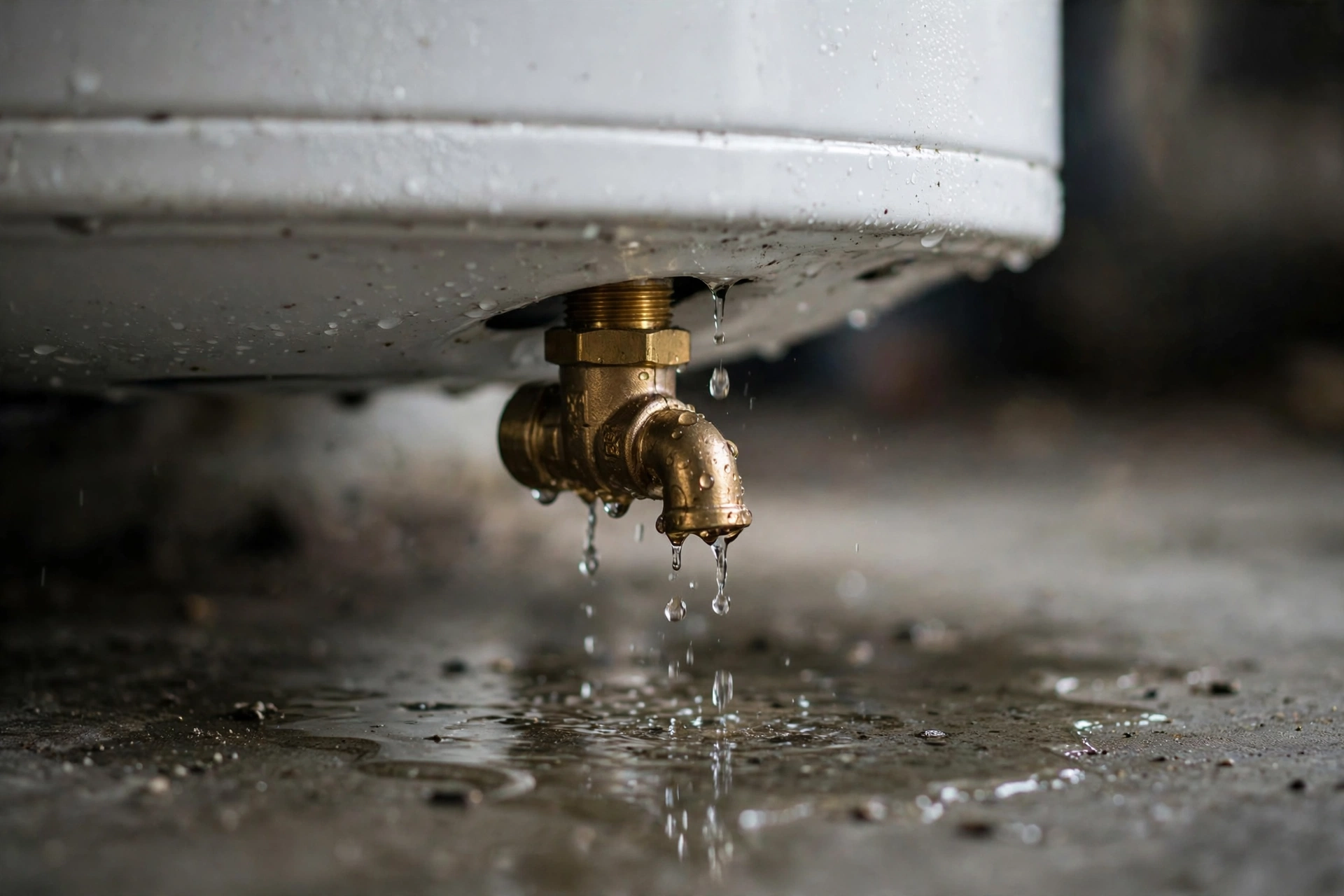
You turn on the hot tap and out comes tea-colored water. Before you panic about replacing the heater — or ignore it until the tank leaks — run the diagnosis in this guide. Rusty water has a short list of causes, and a single simple test narrows it dramatically. Here is how to figure out what is rusting and what to do about it.

The one test that narrows everything down
Fill a clear glass from the cold tap and one from the hot tap, and compare. If only the hot water is discolored, the problem is in the water heater or the hot-water piping — the cold supply is fine. If both hot and cold are rusty, the issue is upstream: the main supply, old galvanized house piping, or a municipal disturbance. This thirty-second test eliminates half the possibilities instantly, so always start here.
Cause 1: a depleted anode rod
The most common and most fixable cause of hot-only rust. The anode rod's job is to corrode instead of the tank; when it is consumed, corrosion begins on the tank's steel interior and rust tints the hot water. If your heater is mid-life, has never had its anode checked, and the rust appeared gradually, a spent rod is the prime suspect. The good news: a fresh rod can halt the process if the tank interior has not yet pitted badly.
Cause 2: tank interior corrosion
If the anode has been gone a long time, the tank itself is now rusting. Signs that corrosion has passed the point of a simple rod swap: rust that persists after a new anode rod, visible rust streaks on the tank jacket, metallic flakes in the hot water, or a tank that is well past its expected service life. A corroding tank cannot be repaired — rust on the inside means the clock is ticking toward a leak, and replacement planning should start now.
Cause 3: sediment and scale disturbance
Sometimes "rusty" water is actually just stirred-up sediment — brownish water that clears after running the tap for a minute. This happens after plumbing work, after the heater has sat unused, or when a neglected tank's sediment bed gets disturbed. If the water runs clear after a short flush and the tank is otherwise healthy, a proper drain-and-flush may be all that is needed. Persistent discoloration that returns quickly points back to causes 1 or 2.
Cause 4: aging pipes, not the heater
Old galvanized steel hot-water lines corrode from the inside and shed rust into the water — mimicking a failing heater perfectly. Clues: the house has galvanized plumbing, the rust is worst at the tap farthest from the heater, or cold water shows a slight tint too. In this case the heater is innocent, and replacing it will not fix the water. A plumber can confirm with a quick pipe inspection.
Step-by-step diagnosis
- Hot vs. cold glass test — isolate the heater as described above.
- Run the hot tap for two minutes — if it clears and stays clear, suspect disturbed sediment; schedule a flush.
- Check the heater's age and anode history — mid-life tank, never serviced, gradual rust: check the anode rod first.
- Look at the tank exterior — rust streaks, damp spots, or corrosion at fittings suggest the interior is in similar shape.
- Consider the pipes — galvanized plumbing of a certain age rusts regardless of heater condition.
Fixes by cause
Spent anode: replace the rod (and flush the tank while you are at it). Disturbed sediment: a thorough flush. Tank corrosion: start planning replacement — and put a drain pan and leak alarm in place meanwhile, because a rusting tank is a leaking tank in waiting. Pipe corrosion: repiping the affected lines, a bigger project a plumber should scope. If you are seeing rusty hot water in Apache Junction and want a definitive answer, call (833) 713-2101 — we diagnose the actual cause before recommending anything.
Related Questions
Is rusty hot water dangerous to drink or bathe in?
Iron rust itself is generally not a health hazard at these levels, but rust signals corrosion that can harbor bacteria and will eventually cause a leak. Treat it as a repair prompt, not an emergency — but don't ignore it for months.
Will flushing fix rusty water?
If the cause is loose sediment, yes. If the cause is a depleted anode or tank corrosion, flushing helps diagnose but won't cure — the rod needs replacing or the tank needs replacing.
How fast does a rusting tank start leaking?
Unpredictable. Some weep within months of the first rust; others hold longer. Once interior corrosion is confirmed, plan replacement on your schedule rather than the tank's — emergency replacements always cost more in stress, if not in dollars.