Anode Rod Replacement in Apache Junction, AZ
The anode rod is the sacrificial metal core that keeps your water heater tank from rusting out, and in Apache Junction it works overtime against extremely hard water.
- 24/7 Emergency Service
- East Valley Coverage
- Upfront Guidance
In Short
The anode rod is the sacrificial metal core that keeps your water heater tank from rusting out, and in Apache Junction it works overtime against extremely hard water. When it is depleted, the tank corrodes from the inside.
Signs Your Anode Rod Is Failing
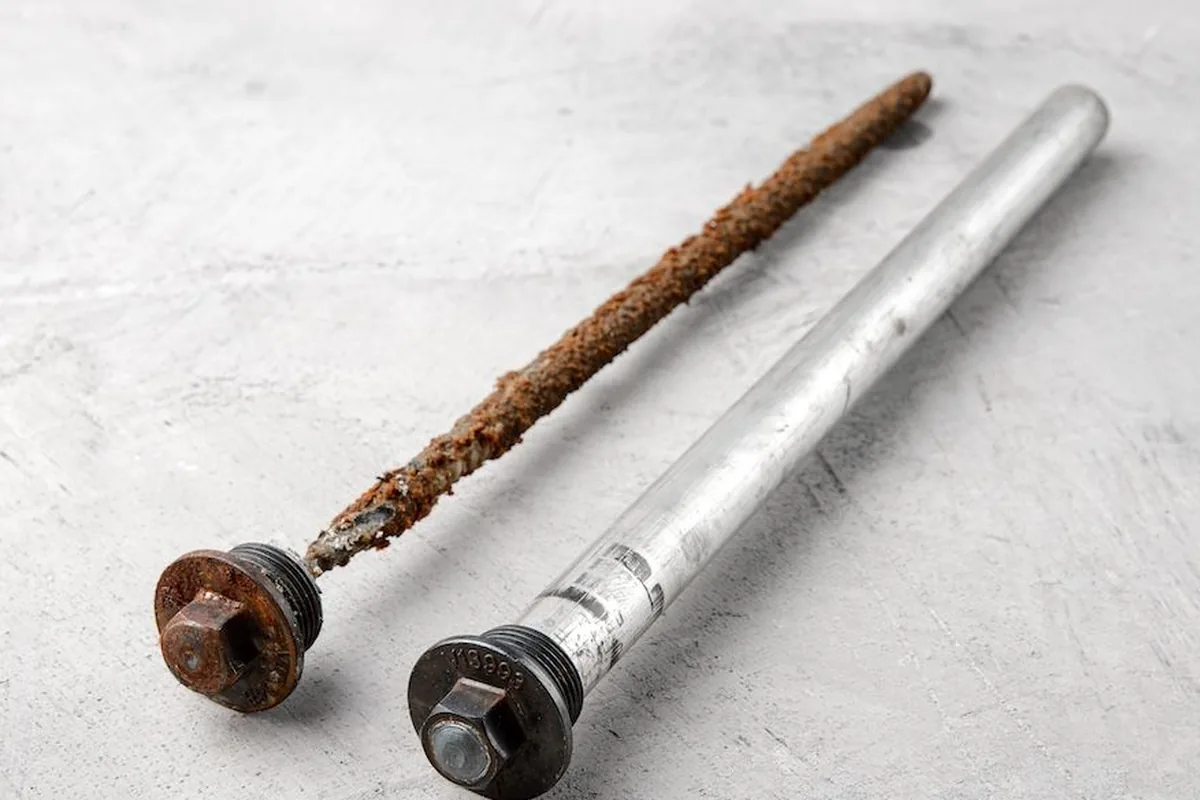
The anode rod gives few obvious warnings before it is gone, which is why tanks fail 'suddenly' in Arizona. The classic sign is a rotten-egg or sulfur smell in hot water only — cold water smells fine because the reaction happens inside the tank. Rusty or reddish hot water, especially after the heater has sat unused overnight, is another. Metallic-tasting hot water, a tank that is past year six with no service history, and visible corrosion on the hot-water outlet nipple all point the same direction. The most telling clue is age combined with local water: if your heater is more than three years old and has never had its rod checked in Apache Junction's mineral-heavy supply, assume the rod is significantly consumed. By the time water runs brown, the rod has been gone a while and the tank lining is already taking damage.
How Anode Rod Replacement Works, Step by Step
A proper replacement is methodical, not a quick unscrew-and-swap. First we shut off power at the breaker for electric units, or turn the gas control to pilot or off for gas units, then close the cold-water inlet valve. We attach a hose to the drain valve and drop the tank level a few gallons so water sits below the anode port — a full drain is unnecessary and wastes energy reheating. The old rod comes out with a 1-1/16 inch socket and a breaker bar; on older tanks this takes real leverage because heat cycling seizes the threads. We inspect what comes out: a rod worn to a thin wire or coated in calcium tells us about your water chemistry. The new rod goes in with pipe thread sealant or Teflon tape, torqued firmly but not enough to crack the tank's spud. Then we refill completely, purge air from the hot taps, restore power or relight, and verify no seepage at the port.
Rod Materials: What Actually Lasts in Arizona Water
Not all rods are equal, and the choice matters more in Arizona than almost anywhere else. Standard magnesium rods protect aggressively and are the factory default, but they dissolve fastest in hard, hot water and they are the ones most associated with sulfur smells. Aluminum-zinc alloy rods last longer here and produce far less odor, making them the practical default for most Apache Junction homes. For segmented or flexible rods: many garage installations have low overhead clearance, and a rigid 44-inch rod will not fit — flexible segmented rods solve this without cutting corners on protection. Powered anode rods use impressed current instead of sacrificial metal; they never deplete, eliminate odor issues, and are ideal for households on well-influenced or high-sulfate water common on the edges of town. We select based on your water symptoms, tank age, and clearance, not a one-size-fits-all pick.
Safety Steps We Never Skip
Anode work sits at the intersection of scalding water, pressure, and energy, so safety steps are non-negotiable. The tank must be confirmed full before power is restored to an electric unit — energizing elements in air burns them out in seconds, a mistake we see in DIY attempts. Gas units get a leak check at the control valve and pilot assembly with a proper gas detector or leak solution after any nearby work. We test the temperature-and-pressure relief valve while on site, because a neglected T&P valve on an older tank is a genuine hazard. Water drained during the job is hot enough to scald, so it goes to a safe discharge point, never across a walkway. Finally, we verify the thermostat setting before leaving; many older tanks we open are set above 140 degrees, which accelerates both anode consumption and scald risk.
Why Local Water Eats Anode Rods Faster
Apache Junction sits in a perfect storm for anode consumption. The municipal and well-blended supplies here rank among the hardest in the United States, often exceeding 15 grains per gallon, and dissolved minerals drive the galvanic corrosion the rod exists to absorb. Summer garage temperatures regularly top 120 degrees, and most local heaters live in those garages — hotter stored water is more chemically aggressive, so the rod sacrifices itself faster. Monsoon season adds humidity that corrodes external fittings and the tank jacket, letting moisture reach the top ports. Many homes also run water softeners, which is good for fixtures but slightly increases water conductivity, making the anode work harder. The net effect: a rod rated for five years elsewhere may last two to three here, and 'set it and forget it' is how tanks die at year eight instead of year twelve.
Getting Full Value From Your New Rod
A new rod is the start of a maintenance habit, not a one-time fix. The single highest-value companion step is a sediment flush: the calcium that coats a dead rod also blankets the tank bottom, insulating the burner or lower element and forcing longer heating cycles. With the rod port open we can also check the dip tube and outlet nipple condition. Going forward, mark a two-year recheck — we keep the date on file and can remind you. If your water tests very hard, consider a powered anode at the next interval so the protection never lapses between checks. Keep the area around the heater clear; we regularly find garage storage stacked against tanks, trapping heat and hiding slow seeps at the base. Small habits plus a live anode rod are what push a tank heater past the decade mark in this climate.
Frequently Asked Questions
How often should the anode rod be checked in Apache Junction?
Most manufacturers suggest checking the anode rod every two to three years, but in Apache Junction that interval should shrink. With some of the hardest water in the country flowing through local pipes, a standard magnesium rod can be substantially consumed in as little as two years. We recommend a first inspection at the two-year mark, then on a schedule set by what we actually find inside your tank.
Will a new anode rod fix my rotten-egg hot water smell?
It can, but only as a temporary measure. If the odor appeared shortly after a new rod went in, the magnesium is reacting with sulfate-reducing bacteria in your water supply. Switching to an aluminum-zinc rod or a powered anode usually resolves it. If the smell has been present for years with an old, depleted rod, the tank lining may already be compromised and needs a full assessment.
Can an anode rod replacement save a leaking tank?
Sometimes, but not always. A fresh rod protects the steel the water touches, but if the tank has already rusted through at a weld or the bottom, the corrosion has won and no rod will seal it. During the replacement visit we inspect the drained sediment and the tank interior through the port for rust flakes and pitting, and we will tell you honestly if a new heater is the smarter spend.
What is a powered anode rod, and is it worth it here?
A powered anode uses a small electrical current instead of a dissolving metal to protect the tank, so it never needs replacing and it does not feed the bacteria that cause sulfur smells. In hard-water areas like Apache Junction it is often the best long-term choice, especially for households that have battled rotten-egg odor. The upfront cost is higher, but over a fifteen-year tank life it typically pays for itself.
Can I replace the anode rod myself?
Physically, yes, on most top-mount tanks: shut off power and water, drain a few gallons, and unscrew the old rod with a breaker bar. The catches are real, though. Rods are often seized after years of heat cycling, combination anode/hot-outlet rods confuse DIYers, and working around a live gas control or 240-volt wiring without proper lockout is genuinely dangerous. Many homeowners start the job and call us to finish it.
Does replacing the anode rod affect my water heater warranty?
A rod change alone will not void a warranty; in fact, several manufacturers require periodic anode inspection to keep the tank warranty valid. What can cause trouble is using the wrong rod type or damaging the tank threads during a DIY attempt. We document the rod type, date, and condition at every visit so you have a paper trail if a warranty claim ever comes up.
Water Heater Leaking? Call Right Now
One call connects you with an independent local pro ready to help — day or night.
(833) 713-2101