Water Heater Pan Installation in Apache Junction, AZ
A drain pan under your water heater catches slow leaks before they ruin floors, drywall, and belongings — cheap insurance, especially for attic installations common in newer Apache Junction builds.
- 24/7 Emergency Service
- East Valley Coverage
- Upfront Guidance
In Short
A drain pan under your water heater catches slow leaks before they ruin floors, drywall, and belongings — cheap insurance, especially for attic installations common in newer Apache Junction builds.
What a Drain Pan Does — and Does Not Do
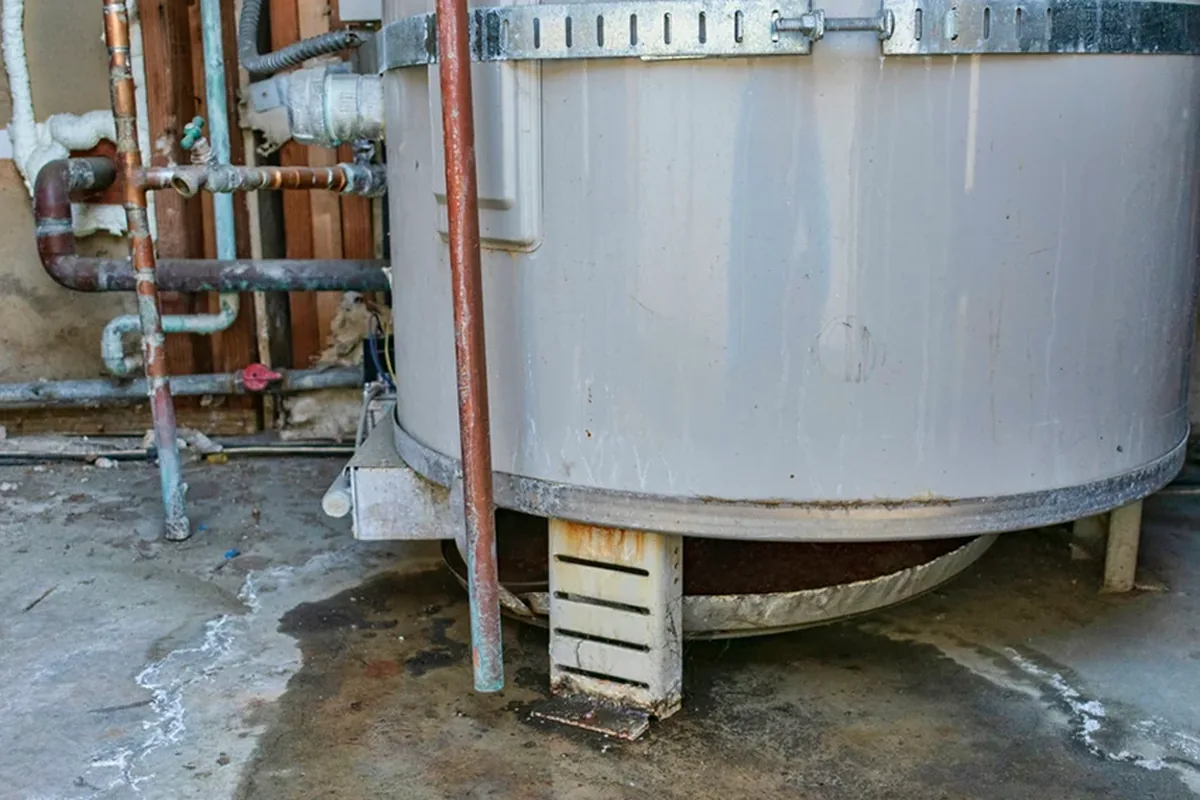
A water heater drain pan is exactly what it sounds like: a wide, shallow tray that sits beneath the tank and catches water from slow leaks, weeping fittings, and T&P discharge. It is not designed to contain a burst tank — no pan holds 50 gallons — but catastrophic ruptures are rare compared to the slow seeps that cause most water damage. A pinhole fitting leak can drip for weeks unnoticed, wicking into drywall, swelling baseboards, and feeding mold; a pan intercepts that drip and routes it to a visible drain termination, turning invisible damage into an obvious signal. Building codes in many jurisdictions require pans for heaters installed where leakage would cause damage — attics, interior closets, above finished spaces — and even where not strictly required, insurers and home inspectors flag their absence. For the modest cost, a pan is the highest-leverage water-damage prevention device in the plumbing world.
Where Pans Matter Most
Pan priority follows damage potential, not heater type. Attic installations top the list: a leak there drips through insulation and drywall into living spaces, and by the time a ceiling stain appears, the damage is extensive — pans with drains and alarms are effectively mandatory here by any prudent standard. Interior closet installations on upper floors come next, for the same reason. Garage slab installations — the Apache Junction norm — are lower stakes since water spreads on concrete, but pans still protect stored belongings, catch seeps early, and satisfy many home-inspector checklists at resale. Heaters on wooden platforms or near finished walls deserve pans regardless of floor. The installations that least need them are heaters already sitting in a curbed, floor-drained mechanical room. When you call, we ask where the heater lives and give you a straight recommendation — not every heater needs a pan, but most benefit from one.
Installation: New and Retrofit
Pan installation is a half-day procedure with a clear sequence. For existing heaters, we shut off energy and water, then drain the tank enough to lighten it — a full 50-gallon tank weighs over 400 pounds, so partial draining plus a careful lift is the safe approach. The heater is raised just enough to slide the pan underneath using proper lifting equipment; this is a two-person job and we never tilt a gas unit carelessly, which can disturb the vent connection. The pan is set dead level — a tilted pan pools water away from the drain fitting and defeats the purpose. The drain fitting, typically 1-inch PVC, is installed in the pan's drain port with sealant. Then the heater is lowered onto the pan, reconnected, refilled, purged of air, and returned to service. For new heater installations, the pan simply goes in first as part of the job. Either way, the final step is a water test: we pour water into the pan and confirm it drains fully to the termination point.
Drain Line Routing: The Part That Matters Most
The drain line is what makes a pan functional rather than decorative, and its routing follows strict logic. The line runs by gravity — continuous downward slope, no traps, no upward loops — from the pan's drain fitting to its termination. Acceptable terminations: a floor drain, a laundry standpipe, or exterior grade where discharge is visible and harmless. The termination must be conspicuous: if pan water drains somewhere you will never see, the early-warning value is lost. We never connect pan drains to sealed sewer lines without proper air gaps, never reduce the pipe diameter, and never terminate inside wall cavities or crawlspaces. In garage installations, routing through the wall to exterior grade is usually simple. Interior and attic installations need more planning — sometimes routing to a soffit or an exterior wall with a visible termination. Where gravity routing is genuinely impossible, we discuss alternatives honestly rather than installing a pan that drains nowhere.
Alarms and Auto-Shutoff: Active Protection
A pan alone is passive protection; two inexpensive add-ons make it active. A leak alarm — a small battery-powered sensor that sits in the pan — sounds a loud alert the moment water touches it, and smart models send phone notifications. For attic heaters and heaters near finished spaces, this is the single best twenty-dollar upgrade in home protection: it converts a leak discovered in weeks to a leak discovered in minutes. The second add-on is an automatic shutoff valve on the cold-water inlet, triggered by the same sensor — it stops the water feed when a leak is detected, limiting damage to the tank's remaining contents. We recommend alarms for every pan installation and auto-shutoffs for attic units and frequent-traveler households. Neither device replaces the pan and drain — they layer on top. During installation we position the sensor at the pan's low point near the drain fitting, where water arrives first, and we test the alert before leaving.
Local Factors: Attics, Garages, and Monsoon Dust
Local installation patterns shape every pan job here. Attic installations in newer Apache Junction builds are our most urgent pan retrofits — summer attic temperatures exceed 150 degrees, which ages plastic pans faster, so we specify heat-rated materials and verify the drain line survives the thermal environment. Garage installations face the opposite issue: pans sit on concrete that wicks monsoon-season moisture, so we ensure the pan does not trap water against the tank base and accelerate external corrosion. Hard water adds a maintenance note — mineral deposits can crust in pan drain lines over years, so we recommend an annual visual check that the drain flows freely, easily done during a heater flush visit. Dust from monsoon storms clogs exterior drain terminations; we fit terminations with screens where appropriate and show you how to check them. The through-line: a pan installed for Arizona conditions, with correct materials and routing, protects for the life of the heater with almost no attention.
Frequently Asked Questions
Can a pan be installed under my existing water heater?
Yes — retrofitting a pan under an existing heater is a common job. We disconnect the water and energy, lift the tank (drained for weight) just enough to slide the pan beneath, set it level, and reconnect. It is typically a half-day visit. The drain line routing is the main variable: garage slabs usually allow simple exterior routing, while interior closets need more planning.
Where does the pan drain go?
To a floor drain, a laundry standpipe, or exterior grade — always by gravity, never to a sealed or pressurized line. The termination must be visible so you or a technician can see water in it, which is the whole early-warning point. We never route a pan drain where discharge would go unnoticed or cause damage elsewhere.
Plastic or metal pan — which is better?
Either works when properly installed; the differences are practical. Plastic (PVC) pans are inexpensive, corrosion-proof, and fine for most garage installations. Metal pans handle higher temperatures and are preferred where code or the installation demands it. What matters more than material is correct sizing — the pan must extend fully under the tank with room for the drain fitting.
Will a pan actually prevent water damage?
A pan catches slow seeps and minor fitting leaks — the failures that cause the most cumulative damage because they go unnoticed. It will not contain a catastrophic tank rupture; 50 gallons overwhelms any pan. Think of it as early warning and minor-leak control, not flood insurance. Paired with a leak alarm, it is the best cheap protection available.
How does a pan leak alarm work?
The alarm sits in the pan and sounds when water touches it — some models also send phone alerts. It does not stop the leak, but it tells you within minutes instead of weeks. For attic installations and heaters near finished spaces, an alarm is the highest-value add-on we install. Batteries last about a year; we remind you at service visits.
Is a pan really necessary in a garage?
For attic installations, absolutely — a slow leak there destroys ceilings before anyone notices, and the pan-plus-drain-plus-alarm combination is the standard of care. For garage slab installations the case is still strong: the pan catches seeps early and the drain keeps water off stored belongings. The only heaters that arguably skip it are those already sitting in a properly drained mechanical room.
Water Heater Leaking? Call Right Now
One call connects you with an independent local pro ready to help — day or night.
(833) 713-2101